Match Predictions: Evidence-Led Previews for Every Fixture
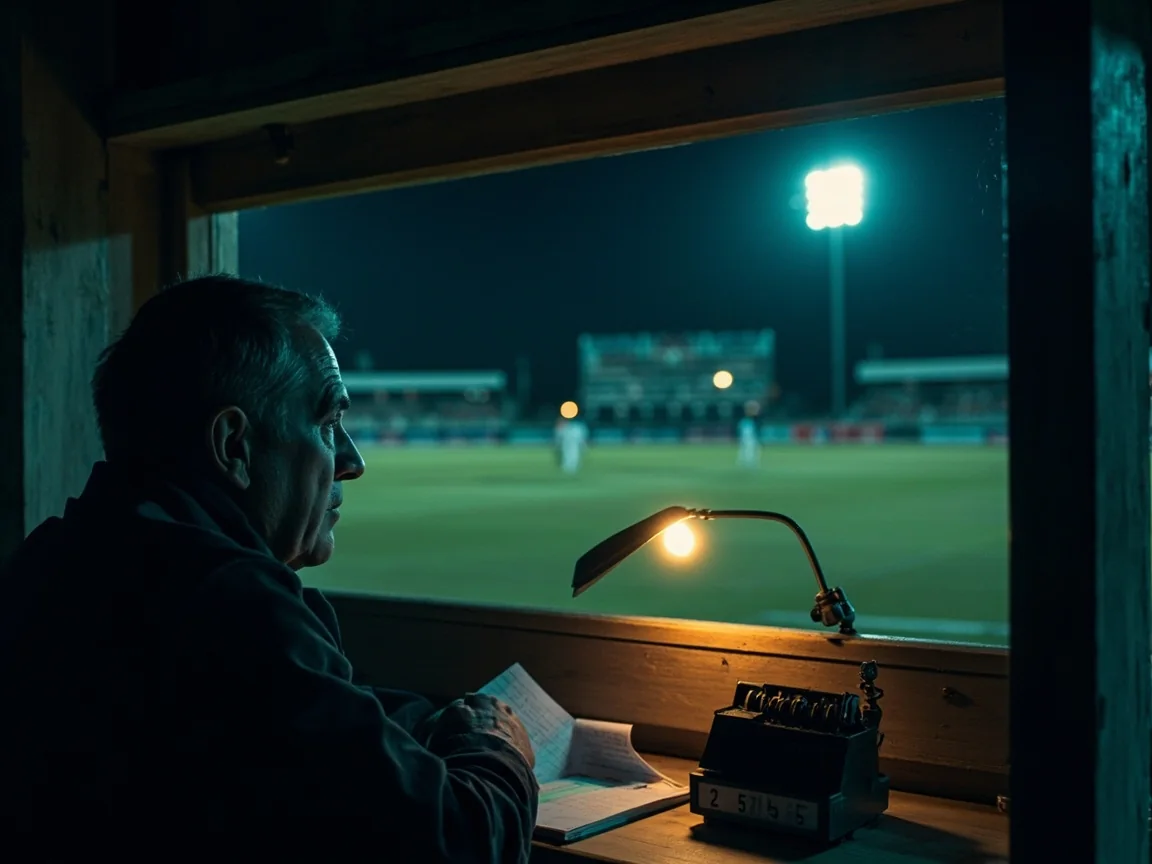
Pre-match reading for cricket fixtures — pitch, weather, toss, confirmed XI, captaincy logic. The COME desk treats predictions as conditional reasoning, not prophecy.
Match Predictions: Evidence-Led Previews for Every Fixture
Pre-match reading for cricket fixtures — pitch, weather, toss, confirmed XI, captaincy logic. The COME desk treats predictions as conditional reasoning, not prophecy.
What a prediction actually is
A prediction is not a guess. It is a conditional statement: under these conditions, this outcome is more likely than the alternative. The COME desk publishes predictions in that form — with the conditions named — because honesty about conditions is what makes the reasoning useful.
When we write "Team A is favoured on this surface," we mean that on pitches of this colour, with this grass cover, under this weather, the historical record favours Team A’s bowling attack over Team B’s batting order. The wording is precise on purpose.
The opposite mistake — publishing predictions as flat picks — produces headlines that age badly. A 70% probability call that loses still loses; the difference is that a 70% call made under named conditions is a learning artefact, while a flat pick is noise.
Reading the pitch before the toss
Pitch reading is the highest-leverage skill in pre-match analysis. The same two teams can produce radically different contests depending on whether the surface is green, dry, or flat.
Green pitches assist seam bowling, especially in the first six overs when the ball is new. Flat pitches reward batting depth and spin in the middle overs. Dry, cracked pitches reward spin from over 8 onwards and batting sides who can survive the first six.
A useful rule: look at the pitch two hours before the toss. The colour, the grass, the cracks, and the moisture level all matter. A pitch that looks green at 4pm often looks flat by 7pm once the sun has dried the surface.
The COME desk publishes a pitch-read paragraph in every preview. If we cannot see the pitch in advance, we mark the preview as "conditions pending" and update it an hour before the toss. We do not pretend to certainty we do not have.
Weather, dew, and the second-innings advantage
Weather affects cricket contests in three primary ways: rain interruptions compress the contest via DLS, dew at night makes the second innings easier to bat on, and cloud cover assists swing bowling in the first innings.
Dew is the most under-discussed factor. A night contest with heavy dew effectively neutralises the spinner in the second innings, because the ball stays wet and does not grip. This means the captain who bowls first on a dew-affected night often wins.
Cloud cover in the afternoon can produce 20-30 minutes of swing-friendly conditions at the start of the innings. Batters who survive that window often accelerate; batters who lose early wickets rarely recover.
Rain is the disruptor. If the contest is shortened to 10-12 overs per side, the DLS par scores tend to undervalue the chasing side because the par is calculated off historical averages rather than the specific batting order. Watch for this in shorter-format contests.
Toss, lineup, and late information
The toss matters most when the conditions are ambiguous. On a clearly flat or clearly green pitch, the toss is almost irrelevant — both captains would have made the same decision. On an ambiguous pitch, the toss decides.
Confirmed XI matters more than the toss. A captain choosing to bowl first becomes irrelevant if their main seamer is ruled out at the toss. The COME desk waits for the confirmed XI before finalising any fantasy XI or prediction.
Late information is also where the desk earns its keep. A last-minute injury, a late squad rotation, or a weather update can change the prediction by 10-15%. A preview that does not update for late information is a preview that does not respect its reader.
Practical advice: do not lock your fantasy XI before the toss. Wait for confirmed XIs, wait for the toss decision, and then build your XI in the 30-45 minute window before the first ball. This window is where the edge lives.
Captaincy logic in predictions
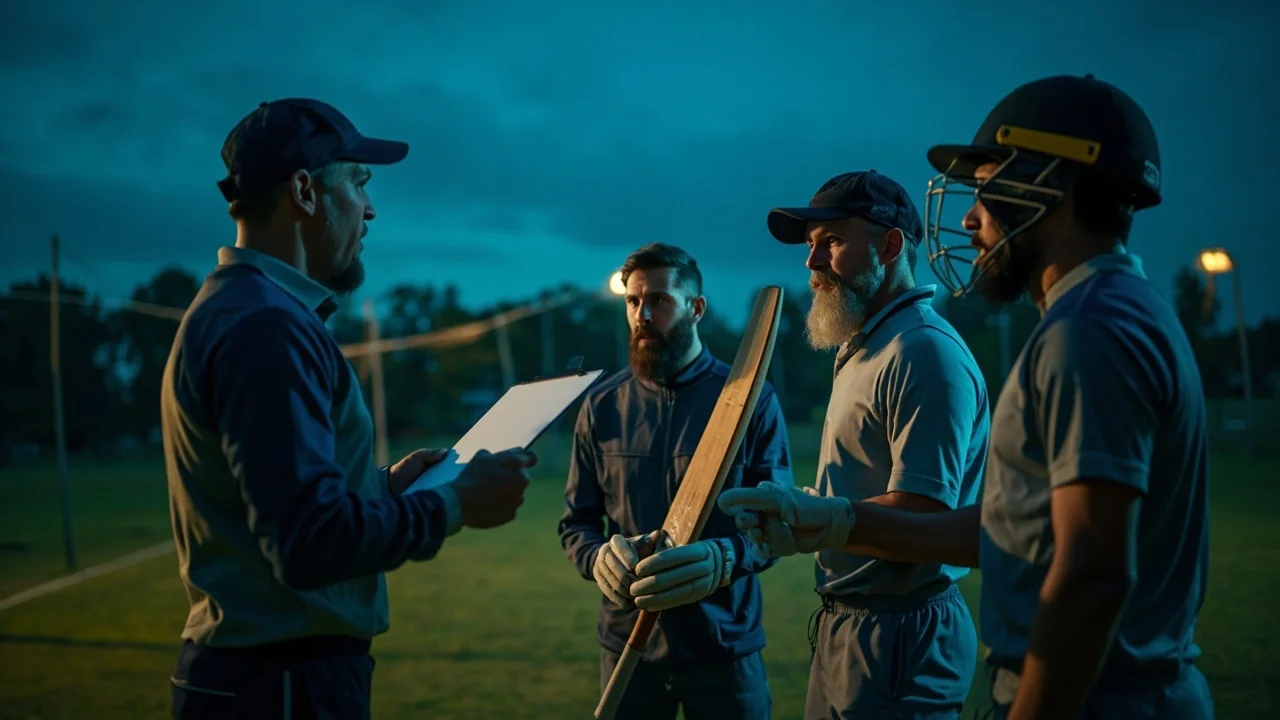
Predictions include captaincy logic for two reasons: it is the single biggest decision in any fantasy XI, and it is a useful sanity check on the match prediction itself.
If we predict Team A to win but captain a Team B player as the fantasy captain of the night, something is wrong with our reasoning. The COME desk aligns the match prediction with the fantasy captaincy pick, even when the two diverge — in which case we say so explicitly.
A captain pick should match three conditions: high ceiling for today’s conditions, reasonable floor (does not collapse on a bad day), and acceptable differential (not owned by 80% of teams in your contest).
When those three conditions cannot all be met, the captain pick becomes a trade-off. We name the trade-off in the preview so the reader can decide for themselves. We do not pretend the trade-off does not exist.
Reviewing your calls
Every prediction the desk publishes is reviewed the day after the match. The review answers one question: was the prediction right, and if so, was it right for the right reasons?
A prediction that comes true for the wrong reason is a fragile prediction — it works on this surface but may fail on the next. A prediction that fails but for a reason we can name is a learning artefact.
The COME desk publishes the review alongside the original prediction so readers can see both the call and the reasoning that produced it. This is what we mean by "honest analysis" — the reasoning is as visible as the conclusion.
A useful pattern: keep a small notebook (or notes file) of every prediction you read, your own pick, and the result. After 20-30 contests, the pattern of which analysts you trust under which conditions becomes clear.

Reading the conditions, not the offer.
Every desk write-up begins with conditions — pitch, weather, confirmed XI — before any captaincy logic. Skipping this step is the most common reason analysis goes wrong.
Quick answers from the desk
How accurate are match predictions?
No honest prediction can promise outcomes. The COME desk treats predictions as conditional reasoning under named conditions. A prediction that names its conditions is more useful than a flat pick.
When are predictions published?
Pre-match previews are published 24-48 hours before the fixture. They are updated an hour before the toss once the confirmed XI and toss decision are known.
Do you publish predictions for every match?
We publish previews for every listed fixture where the COME desk has a view. Some lower-tier contests are skipped if we do not have the time to do the conditions read properly.
What if conditions change mid-match?
The desk publishes live updates when conditions change in a way that affects the prediction. A rain delay, a dew shift, or a key injury will trigger an updated view.
Recent match previews
AUS-W vs SA-W WT20 World Cup 2026 — Match 3 Preview: Old Trafford, Form Lines and Toss Logic
Group A meeting at Emirates Old Trafford — head-to-head, form lines, pitch notes and the toss lean for Australia Women vs South Africa Women.
Read preview →KKR vs MI IPL 2026 — Match 65 Fantasy Read: Eden Gardens, Conditions and Captaincy Logic
Eden Gardens conditions, head-to-head context, and the captaincy logic that framed the contest on 20 May 2026.
Read preview →