Pondicherry Premier League 2026 — Match 28: Villianur Mohit Kings vs Ossudu Accord Warriors
A fantasy read on the late-group fixture between Villianur Mohit Kings and Ossudu Accord Warriors — conditions, captaincy logic, and what to watch for your XI.
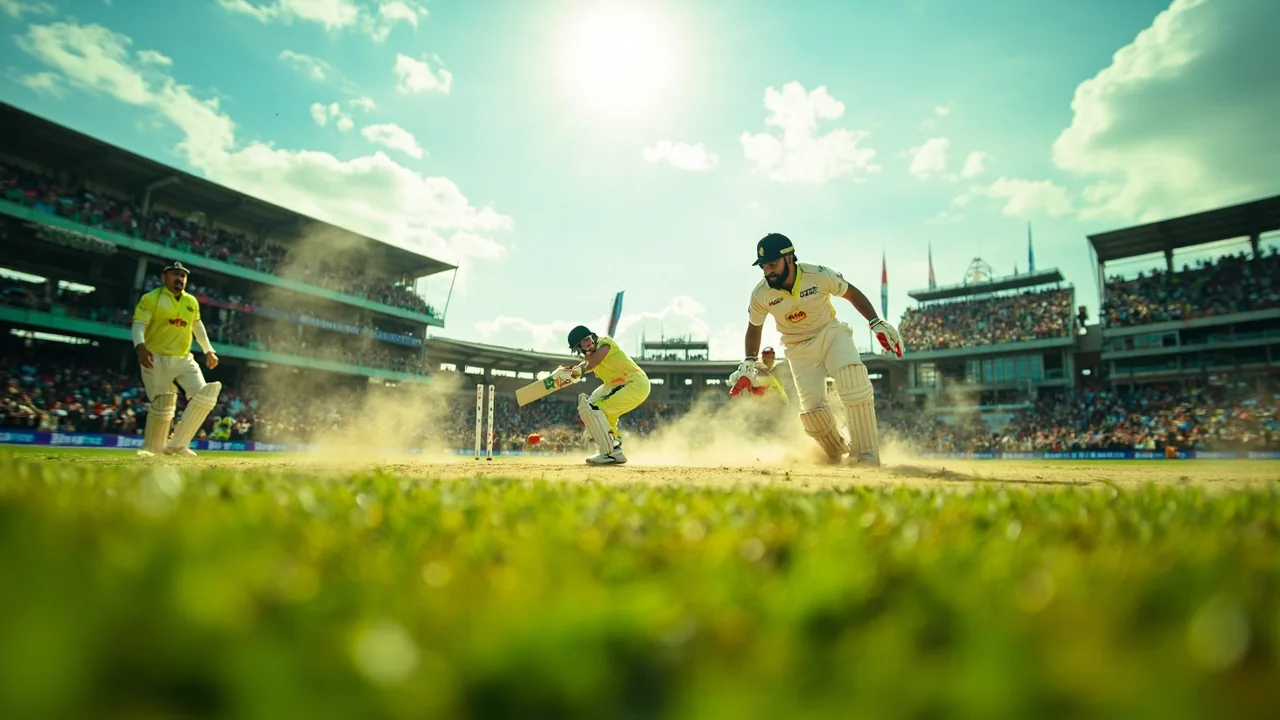
Pondicherry Premier League 2026 — Match 28: Villianur Mohit Kings vs Ossudu Accord Warriors
A fantasy read on Match 28 of the Pondicherry Premier League 2026 — the late-group fixture between Villianur Mohit Kings and Ossudu Accord Warriors on July 21. Conditions first, captaincy second, differentials last.
What the fixture actually is
Match 28 of the Pondicherry Premier League 2026 is a regular-season fixture between Villianur Mohit Kings and Ossudu Accord Warriors, scheduled for July 21. It sits late enough in the group stage that both sides arrive with a settled batting order, a defined bowling rotation, and a clear sense of where they sit on the table.
For fantasy captains, late-group matches are easier to read than round-one fixtures. Roles are settled, the credit market has had time to adjust to form, and the conditions are usually familiar to both sides. The difficult decisions are not "who is good" — they are "which of the two or three good options is best tonight, on this surface, under this light."
That is the lens the COME desk uses for every preview. We start with conditions, then move to captaincy, then to the wider XI. The fantasy read is a sequence of conditional statements, not a flat pick.
Conditions to read before the toss
Three conditions move a T20 fantasy XI more than any other: the surface, the dew, and the confirmed XIs. Match 28 is no different — the editorial approach is the same as it is for any other fixture on the calendar.
Surface: the venue in Pondicherry generally plays true in the first innings and slightly slower in the second, especially in evening fixtures where the surface dries out under the lights. Read the colour of the pitch two hours before the toss. A dry, lighter surface favours spinners from the eighth over onwards. A grassy, darker surface favours seamers in the powerplay.
Dew: an evening fixture with heavy dew effectively neutralises finger spin in the second innings. The ball stays wet, grips less, and the chasing side's run-rate climbs. If you expect dew, weight your fantasy XI towards seam and pace, and consider bowling options from the side likely to bat first.
Confirmed XIs: do not lock your fantasy team before the toss. Wait for the playing XIs and the toss decision, then build your XI in the 30-45 minute window before the first ball. That window is where the edge lives — late information often moves captaincy calls by 10-15%.
What each side is trying to do
Villianur Mohit Kings and Ossudu Accord Warriors both enter Match 28 with the same broad objective: consolidate their position in the group, give their primary bowlers overs in the right phase, and protect their frontline batters for the higher-leverage matches that follow. The fantasy read follows from that.
If you are building a fantasy XI from a single fixture, you are not picking the better team — you are picking the players most likely to score on this surface, under this light, in this match-up. The two questions that matter: which batting order is most likely to bat through the powerplay, and which bowling attack is most likely to take wickets in the middle overs.
A late-group fixture also tends to favour experience over flair. Coaches protect their internationals, rest borderline-injured players, and give younger squad members shorter spells. The fantasy read changes accordingly: the player with the most overs in the middle phase is often the safest captain pick, not the player with the biggest six-hitting reputation.
There is no public confirmation of either side's XI before the toss. Treat any reasoning about specific players as conditional until the playing XIs are read out at the ground.
Captaincy logic for Match 28
Captain scores 2×, vice-captain scores 1.5×. The captain decision is the single biggest variable in your fantasy team total, and the COME desk applies a three-question test before every deadline.
First: does this player have a high ceiling today — a realistic path to 60+ fantasy points on this surface, against this bowling attack? A top-order batter on a flat deck in a high-scoring fixture usually meets this bar. A middle-order batter on a turning track against quality spin usually does not.
Second: does this player have a reasonable floor — a path to 30+ even if the match-up goes wrong? An accurate seamer in helpful conditions, a wicketkeeper-batter in the top six, or a specialist spinner on a dry track all carry an acceptable floor.
Third: how is this player's differential — what fraction of teams in your contest will captain them? In a small contest, ceiling wins. In a large contest, a balanced differential captaincy call separates the top 10% from the median.
If you can answer yes to two of three, captain. If you can only answer yes to differential, that is a vice-captain call, not a captain call. If you can only answer yes to ceiling, weigh the upside against the contest size before locking in.
Role balance for a one-match XI
Most fantasy platforms allow a flexible role split — typically one wicketkeeper, three to four batters, two to three all-rounders, and three to four bowlers. The shape you pick for Match 28 should follow the conditions, not your usual default.
On a flat, true surface, lean batting-heavy: four batters, two all-rounders, four bowlers. On a grassy or dry surface, lean bowling-heavy: three batters, two to three all-rounders, three to four bowlers. The platform's role-cap exists for a reason — it tells you how the points are expected to be distributed.
For this fixture, the safe default is 1-3-3-4 or 1-4-3-3. Adjust for surface after the toss. If you have two all-rounders who bowl in your XI, you are positioned to win the middle overs, which is where most fantasy points compound.
Avoid the temptation to fill your XI with five specialist batters on a surface that is expected to grip. The role-balance math exists for a reason, and ignoring it costs more points than any single player pick. For a longer read on how role balance interacts with captaincy logic across a tournament, the fantasy cricket desk walks through the four-role shape and the captaincy test in detail.
Differential picks for a late-group fixture
Differentials are players owned by a small fraction of teams in your contest. They only matter in large contests; in small contests, ceiling and floor dominate ownership. For a late-group fixture like Match 28, the differential pool is narrower than it was earlier in the tournament — most fantasy players have already locked onto form.
A practical approach: pick two differentials who meet your conditions, and back them with a high-floor captain from the consensus side. If your captain scores 50 and one of your differentials scores 60, your team total separates from the field. If both fail, you fall back to the median.
The differential pool for Match 28 includes any player whose price has not yet adjusted to their recent form. The credit market is sticky — a player who has averaged 45 points over the last three matches but is still priced at 7.5 credits is the kind of edge that compounds across a tournament.
Where this preview speaks about a "differential pick," it means a player who fits the conditions and carries ownership below the contest median. The desk does not name players without confirmation from the official tournament feed.
What to watch during the match
Once the fixture begins, three in-game moments are worth tracking if you have live contests open.
The powerplay: how does the opening batting side score in the first six overs? A run-rate above nine suggests the surface is flatter than the pre-match read. A run-rate below six suggests the seamers are extracting more than expected, and the chasing side will be playing catch-up.
The middle phase (overs 7-15): how do the spinners perform? If the wrist-spinner is taking pace off and forcing batters to hit across the line, the role-balance math tilts further towards spin-bowling all-rounders. If the seamers are still extracting movement, the surface is greener than the read suggested.
The death overs (overs 16-20): who is bowling the 18th and 20th? The death-bowler role is the highest-leverage specialist position in T20 fantasy, and the captain of the side that holds the death bowlers in reserve usually wins the back-end of the contest.
For fantasy captaincy across a tournament, the lesson from Match 28 will be the same as the lesson from every other late-group fixture: trust the conditions, trust the role balance, and let the differentials play themselves out.
A small note on sources
This preview is built on the tournament schedule and the standard T20 fantasy reasoning the COME desk applies to every fixture. We do not name specific players in the body of the preview until the playing XIs are confirmed at the toss — fantasy reasoning that names players before confirmation ages badly.
Where we cite numbers, we name the source. Where we cite conditions, we describe what we have read. Where we cite a player, we name the match. The COME editorial standards treat that discipline as non-negotiable.
The preview will be updated once the playing XIs and the toss decision are confirmed. Bookmark the fantasy cricket desk and return to it after the toss — the most useful part of any preview is the 30-45 minute window before the first ball.
Read the conditions, not the offer.
Every fantasy preview begins with the surface, the dew, and the confirmed XIs. Skipping that sequence is the most common reason analysis goes wrong on a one-match XI.
Quick answers about Match 28
When does Match 28 take place?
July 21, 2026. The fixture is between Villianur Mohit Kings and Ossudu Accord Warriors, listed in the tournament schedule as Match 28 of the 2026 edition.
What should a fantasy captain look for in this fixture?
A high ceiling for today's surface, a reasonable floor if conditions change, and acceptable differential ownership in the contest. The COME desk walks through each condition in the preview body.
Do you name specific players in the preview?
We name players only when the source or the official tournament feed confirms selection in the XI. Where we speak in general terms, we mark the reasoning as conditional and apply it to any player who meets the conditions.
What should change about my XI once the toss is announced?
Wait for the confirmed XI and the toss decision before locking your fantasy team. The 30-45 minute window between toss and first ball is where the edge lives.
Related coverage from the desk
Fantasy Cricket
Role balance, captaincy logic, and the math behind a strong XI.
Open desk →Match Predictions
Pre-match reading for every listed fixture.
Open previews →Fantasy Tips
Captaincy splits, differentials, and small rules that decide leagues.
See tips →Live Matches
Confirmed teams, in-game role tracking, and what to watch when conditions change mid-innings.
Open live desk →