About
About COME: An Independent Cricket Editorial Desk
About the COME editorial desk: who writes for it, how it is structured, what it covers, and the editorial standards it follows.
How we plan
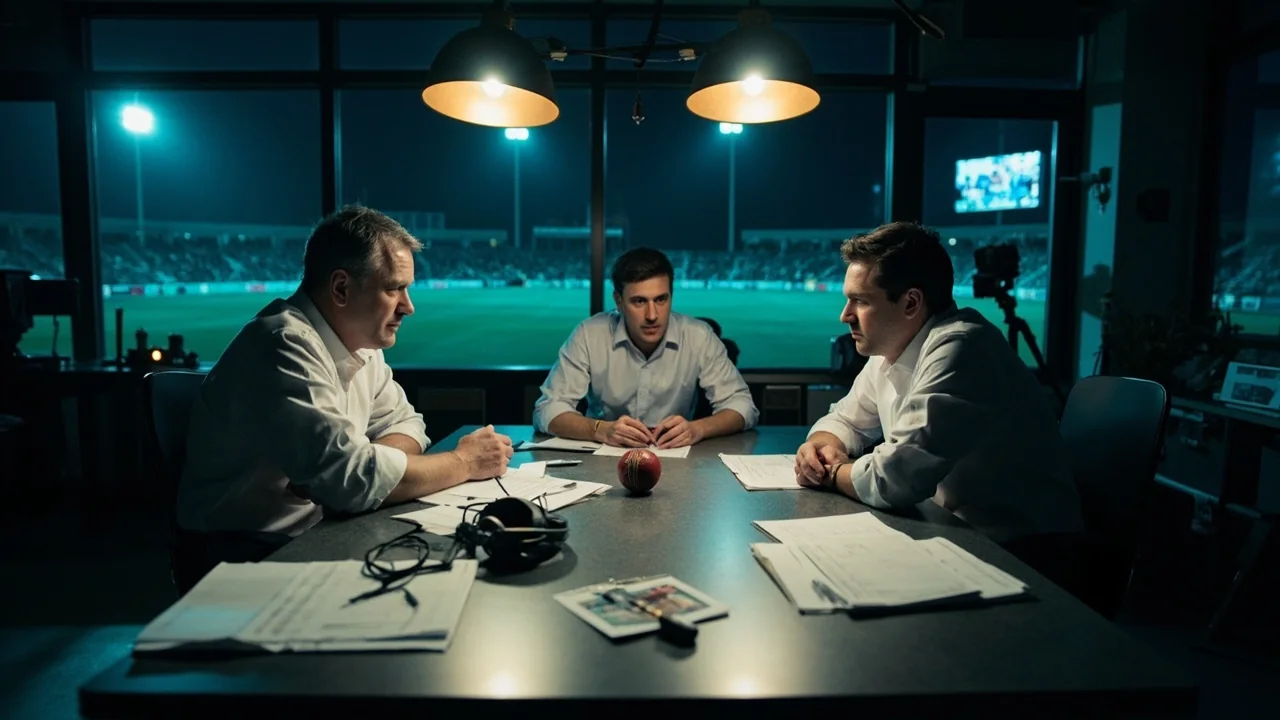
How the desk plans a week of coverage
The weekly cycle is short on volume and long on filtering. A handful of pieces move from idea to outline to a verified draft. Pieces that cannot be verified sit until they can. That is the cycle.
Read the standardsWho we are
COME is an independent cricket editorial desk. We publish analysis on fantasy cricket, match predictions, team construction, captaincy logic, and brand-intent coverage of the COME brand. The desk is small by design — a team of analysts, editors, and cricket watchers rather than a content farm.
The desk was founded on a simple premise: cricket analysis should be honest about its conditions, transparent about its methodology, and useful to the reader. Where the analysis is uncertain, we say so. Where the analysis is wrong, we say so in the review.
The COME editorial standards are visible in every published piece. The standards are not negotiable.
What we cover
The desk covers eight topical areas: fantasy cricket, predictions, fantasy tips, live matches, teams, players, tournaments, and guides & news. Each area publishes weekly reads alongside rapid news updates.
The desk also publishes 12 canonical brand-intent pages covering the COME brand: app, login, download, APK, referral code, bonus code, customer care, editorial standards, responsible play, and several support pages. The brand-intent pages follow the same editorial standards as the rest of the coverage.
Where the platform makes a claim the desk cannot verify, the desk marks the claim as described-to-us or visible on official channels. The desk does not endorse unverified claims.
How we work
The desk runs on a weekly publication cycle. Long-form reads are published 1-2 times per month; beginner explainers 2-3 times per month; weekly desk briefings every Monday. Brand-intent pages are updated when new verified information becomes available.
Editorial standards govern every published piece: three filters (useful, verifiable, durable), honest about conditions, transparent about methodology, useful to the reader. The desk treats the standards as non-negotiable.
The desk is small and slow by design. We would rather publish fewer, better pieces than publish more, worse ones. The publication rate is a feature, not a bug.
- Three filters: useful, verifiable, durable. If any answer is no, we cut it.
- Honest about conditions: predictions include the conditions under which they hold.
- Transparent about methodology: reasoning is visible in every published piece.
- Useful to the reader: every piece is designed to inform a decision.
Editorial standards
The COME editorial standards are public and visible in every published piece. The standards cover: source citation, language discipline (no marketing language disguised as editorial), brand coverage (no endorsements of unverified claims), jurisdiction (no promotion of restricted contests), and corrections (visible and timely).
The desk treats corrections as a sign of editorial rigour, not a weakness. When a piece is updated, the update is visible on the page and flagged in the weekly briefing.
Where a reader or source provides a claim we cannot verify, we mark it as unverified and decline to publish it as fact.
How to reach us
For verified brand-intent questions (login, app, download, referral, bonus, etc.), use the platform’s verified customer care channels. The COME desk maintains a current list of verified channels on the Customer Care page.
For editorial feedback (a correction, a clarification, a tip), reach out via the COME social channels or the desk’s RSS feed. The desk reads all messages but cannot respond to every one.
For commercial inquiries (partnerships, syndication, advertising), use the verified contact channels on the Contact page. The desk treats commercial inquiries as editorial, not promotional.
FAQ
Quick answers from the desk
Who runs the COME desk?
The COME desk is run by a small team of analysts, editors, and cricket watchers. The desk is independent and not affiliated with any governing body, team, or platform.
What does the desk cover?
Eight topical areas (fantasy cricket, predictions, fantasy tips, live matches, teams, players, tournaments, guides & news) plus 12 canonical brand-intent pages covering the COME brand.
How do I cite a piece from the desk?
Each published piece includes a citation block at the bottom with the publication date, author byline, and canonical URL. Use the canonical URL when citing.
Do you accept guest contributions?
Occasionally. The desk reviews guest contributions against the editorial standards. Contact us via the Customer Care page if you have a piece in mind.
Byline discipline
Byline discipline, named writers, named editors.
Every published piece is bylined. The byline carries the author’s initials next to the publication date. Where a piece has been edited post-publication, the revision note is appended.
The desk does not run ghost-written content. The desk occasionally accepts guest contributions, but the contributor is named in the byline and the standing of the contributor is part of the editorial record.
When COME publishes a correction, the correction is dated, attached to the original piece, and visible without expanding a footnote. Readers should not have to dig for a correction.
Editor’s reading list
Three pieces worth opening alongside this one.
Adjacent coverage from the COME desk — what to read next, and why.
How to reach the desk and what reaches the desk.