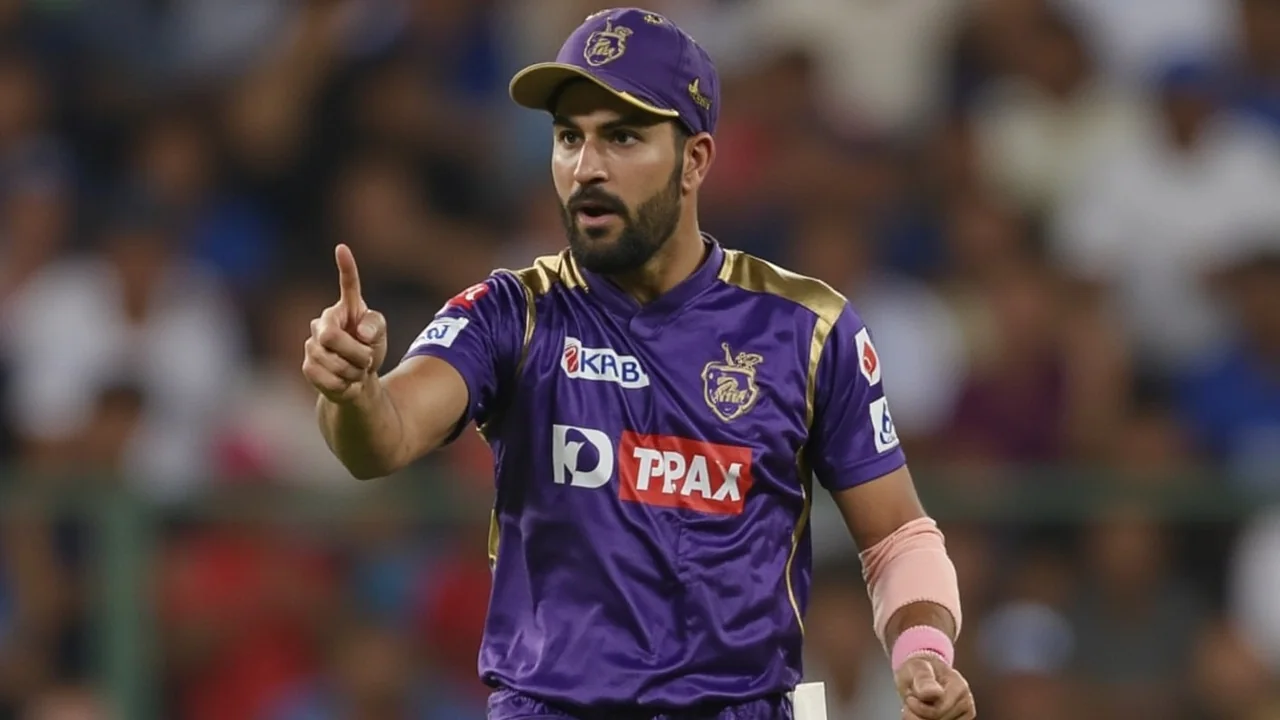
Delhi Capitals and Kolkata Knight Riders met in Match 51 of IPL 2026 at the Arun Jaitley Stadium in New Delhi on Friday, 8 May. KKR came in on three straight wins. Delhi were trying to arrest a recent home slide. With both teams still inside the playoff chase, the fantasy question was never the simple one. The question was which players held a role that could still produce points if the surface, the toss or the batting order turned against them.
The source preview, written the morning of the game, gave the desk a workable starting frame. The venue had an average first-innings score of 170.17, four of its five 2026 fixtures had been won by the chasing side, and the spin pair of Kuldeep Yadav and Sunil Narine had been identified as the most likely wicket-takers on the surface. Those three details pulled the entire construction logic in one direction: pick players whose roles survived more than one version of the match.
The source's own suggested XI was Sunil Narine as captain, KL Rahul as vice-captain, Pathum Nissanka, Rinku Singh, Tristan Stubbs, Ajinkya Rahane, Axar Patel, Cameron Green, Kuldeep Yadav, Varun Chakravarthy and Mitchell Starc. The differential pair floated alongside it was Stubbs and Finn Allen for large-contest risk. The desk's job here is not to copy that list. It is to explain why those choices held up against the venue read, where they could break, and what a fantasy side should look at first once the official XIs are out.
What the Arun Jaitley surface actually said
An average first-innings score describes a scoring environment; it does not decide a fantasy side. The figure of 170.17 at Arun Jaitley through the 2026 cycle sat inside a band that rewards calculated aggression, not blind power-hitting. Run-scoring was available, but the venue still punished soft dismissals because the boundary dimensions asked batters to clear the rope cleanly rather than rely on placement.
The chasing record carried more weight. Four of the venue's five IPL 2026 fixtures had been won by the side batting second. That pattern matters because fantasy scoring is not symmetric across an innings. A target lets top-order batters manage risk; a defensive total forces middle-order batters to take more calculated risks against a known scoreboard pressure. Either case can be profitable, but the captaincy and vice-captaincy multipliers should match the more likely script.
The third piece, spin dominance, tied the venue read to the player pool. Kuldeep Yadav and Sunil Narine were named as the wicket-takers the surface had rewarded. Two world-class wrist spinners, operating at the same ground, were the single biggest tactical anchor in the preview. If both bowled their full allocation, they would account for a large share of the middle-overs points on offer.
Why the spin matchup dictated the captaincy slot
Sunil Narine's captaincy call rested on the same logic that justifies almost any spin-bowling captain at this ground: his value did not depend on a single passage of play. A four-over spell against a Delhi middle order, on a surface that had already rewarded wrist spin, gave him several discrete windows to score. Even an economy spell could still produce a wicket, and even an unsuccessful wicket hunt could still hold run-flow under control.
Captaincy doubles both the upside and the downside. A specialist batter can dominate a fantasy contest, but an early dismissal can end the multiplier's value within two or three balls. A bowler with a guaranteed allocation has more chances to recover, even when the first over goes for runs. Narine's place at the head of the suggested XI was therefore the most defensible multiplier choice the source preview had on offer.
Kuldeep Yadav operated as the counter-anchor on the Delhi side. He bowled to a Kolkata batting order that included two left-handers in Rinku Singh and Angkrish Raghuvanshi, plus Finn Allen's right-handed aggression. Kuldeep's angle and dip had been rewarded by the venue's grip, and the source preview treated him as the second spin pillar of the matchup. Selecting him did not require a captaincy multiplier. His role security was already high enough to justify a position without the doubling.
Varun Chakravarthy completed the spin triangle. His googly had been a confirmed wicket-taking option through the season, and his match-up against the right-handed middle order of Delhi gave him a separate set of batters to attack. Three different wicket-taking profiles, three different batting profiles facing them, one shared venue behaviour. That is the kind of spread fantasy teams should be looking for when the conditions lean one way.
KL Rahul and the wicketkeeper scoring lane
KL Rahul's vice-captaincy was the second clear multiplier call. His top-order position guaranteed him more deliveries than the Delhi finishers, and his wicketkeeping role opened a second scoring lane. Dismissals — catches behind the stumps, stumpings off spinners — added points independent of his bat. On a surface where Kuldeep and Axar Patel would be operating, those chances were not rare events.
Top-order batters also benefit more clearly from a chase. If Delhi batted second and needed a measured start, Rahul's role as an anchor became more valuable, not less. If Delhi batted first, his job was to give the innings a platform and let the middle order attack around him. Either script produced a clearer path to points than a finisher's role.
The source preview did not promote Rahul to captaincy for one reason: Narine's bowling allocation provided more guaranteed chances to score. That distinction is the core of captaincy selection. A batter's ceiling is higher in one good innings, but a bowler's floor is higher across one full spell. Choosing the captaincy multiplier is choosing which form of risk a fantasy side prefers to absorb.
Top-order and middle-order roles
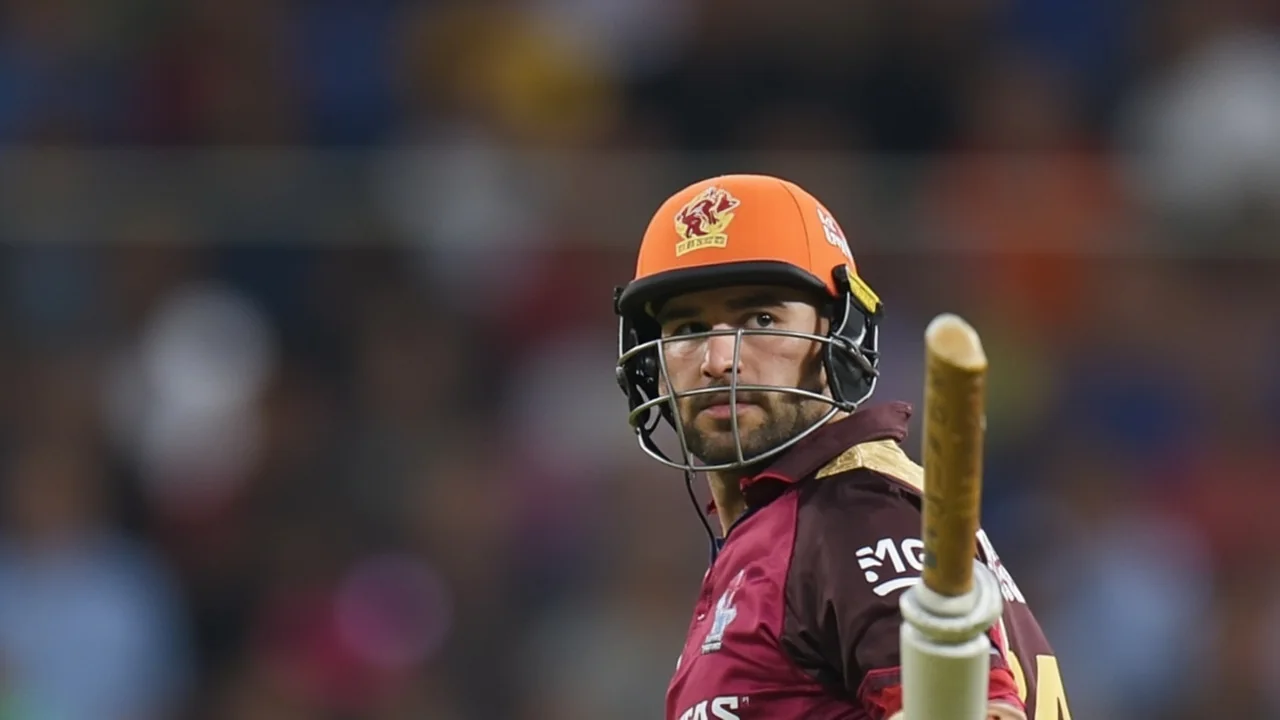
The suggested batting order covered three distinct phases. Pathum Nissanka and Ajinkya Rahane gave the side two players whose primary value was long-innings access. Both had shown the temperament to bat through the powerplay without taking excessive risk, which on a chasing-friendly surface translated into a higher probability of staying in for ten or more overs.
Rinku Singh and Tristan Stubbs were the finishers. Their ceiling was high, but their number of deliveries depended on what happened ahead of them. If the top order consumed the innings, Rinku's role would shrink. If wickets fell early, Stubbs would enter with more time to operate. Both were worth selecting because the venue's chasing trend made middle-overs acceleration more valuable than usual.
Axar Patel and Cameron Green supplied the all-round safety net. Axar's captaincy of Delhi and his left-arm spin gave him involvement in at least two phases; his batting at number seven was enough to clear the boundary on most nights. Green offered late-order hitting and medium-pace overs. Either player could post a useful return even when the primary scoring lane failed, which made them strong structural picks rather than headline picks.
Starc, Kuldeep and the pace-spin split
The pace attack, in the source preview's framing, came down to Mitchell Starc as the new-ball wicket-taking option. Starc's role was short but high-leverage: the powerplay with the new ball and the death overs if the captain turned to him late. His value was tied to impact, not volume. That made him a different kind of selection from the spinners; he was a ceiling pick, while the spinners were floor picks.
Kuldeep Yadav and Varun Chakravarthy operated in the middle overs. Their spells overlapped, which was a feature rather than a bug for fantasy purposes. Two wrist spinners bowling in tandem produced more wicket-taking chances than a single specialist, and the source preview treated them as a paired middle-overs engine rather than two independent picks. If the surface played slow, both could be rewarded.
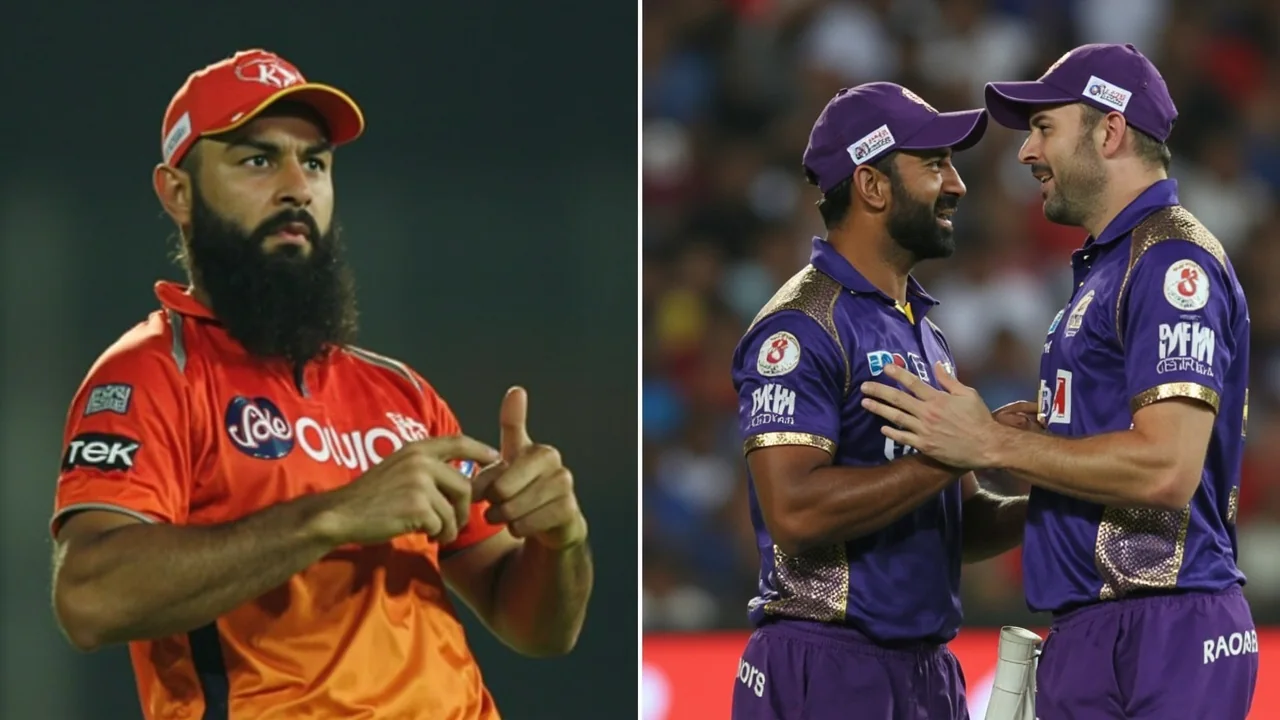
Lungi Ngidi and T Natarajan were named in the predicted Delhi XI but did not appear on the suggested fantasy XI. The reason was role redundancy: with Starc already covering the pace wicket-taking slot, the additional two pacers would have absorbed credits without adding a distinct scoring lane. Fantasy construction is about role coverage, not name recognition.
The differential pair and what they actually required
Tristan Stubbs and Finn Allen were the differential options the source preview identified for grand-league captaincy. They were not interchangeable, and a fantasy side needed to understand the different match scripts each one needed.
Stubbs' route depended on Delhi losing wickets in clusters. His best path to a captaincy-defining innings required him to enter with overs remaining and a target or scoreboard pressure to attack. If Delhi's top order stayed intact, his role would shrink to a finishing cameo. That made him a higher-variance pick than the source's primary captaincy recommendation. Used as a vice-captain or a non-multiplier, he added differential value without destabilising the team. Used as a captaincy multiplier, he required the match to follow his preferred script.
Finn Allen's route was simpler and more aggressive. As an opener, his window was the powerplay with field restrictions in place. Boundary upside was immediate; dismissal risk was equally immediate. Allen's appeal in large contests came from his ownership profile more than his role. He was the kind of pick a captain used when the contest rewarded separating from the popular captaincy choice, even at the cost of a slightly worse expected return.
The practical advice from the source preview was balanced. A small or medium contest should anchor the captaincy multiplier on Narine or Rahul, with Stubbs or Allen held as a non-multiplier differential in the playing XI. A grand league could afford to push one of the differentials into a multiplier slot, but not both. Two risky multipliers at once converts a balanced team into a lottery ticket.
Probable XIs and the impact-player trap
The source's probable Delhi XI was Pathum Nissanka, KL Rahul, Nitish Rana, Tristan Stubbs, Ashutosh Sharma, Sameer Rizvi, Axar Patel, Mitchell Starc, Kuldeep Yadav, Lungi Ngidi and T Natarajan, with Karun Nair named as the impact option. The probable Kolkata XI was Finn Allen, Ajinkya Rahane, Angkrish Raghuvanshi, Rinku Singh, Cameron Green, Rovman Powell, Manish Pandey, Anukul Roy, Sunil Narine, Kartik Tyagi and Varun Chakravarthy, with Vaibhav Arora as the impact option.
Those projections contained two warnings worth carrying into the contest. First, the wicketkeeper designations mattered for points. Rahul and Raghuvanshi were the projected keepers, which meant their dismissal points could come from catches behind the stumps in addition to their batting. Second, an impact-player plan was not the same as a confirmed role. A player named as an impact option might bat lower than expected, bowl fewer overs than the team's structure would normally allow, or be subbed in only in one phase of the game. A fantasy team should not assume an impact-player slot translates into full allocation.
Delhi Capitals projected XI
- Pathum Nissanka
- KL Rahul (WK)
- Nitish Rana
- Tristan Stubbs
- Ashutosh Sharma
- Sameer Rizvi
- Axar Patel (C)
- Mitchell Starc
- Kuldeep Yadav
- Lungi Ngidi
- T Natarajan
Impact option: Karun Nair.
Kolkata Knight Riders projected XI
- Finn Allen
- Ajinkya Rahane (C)
- Angkrish Raghuvanshi (WK)
- Rinku Singh
- Cameron Green
- Rovman Powell
- Manish Pandey
- Anukul Roy
- Sunil Narine
- Kartik Tyagi
- Varun Chakravarthy
Impact option: Vaibhav Arora.
The head-to-head record and what it did not say
The source preview listed 35 meetings between the two sides across IPL history, with Kolkata on 19 wins and Delhi on 15. That aggregate gave KKR a historical edge, but it did not pick a fantasy XI. Records accumulated across different seasons, different squads and different venues do not transfer cleanly into a single-match captaincy decision. They can refine a hunch, but they should not replace one.
KKR's three-match winning run was the more relevant form line. Settled combinations and confident captains reduce selection uncertainty. Bowlers whose allocation depends on the captain's plans — a description that fits Sunil Narine and most wrist spinners — score more reliably when the captaincy is stable. KKR had that stability. Delhi, in the source preview's framing, did not. The fantasy consequence was that KKR's role-based picks carried slightly more confidence than Delhi's, even if the match favourite was less certain.
The narrow interpretation was therefore: KKR arrived with the better recent momentum and a modest historical edge. Delhi still supplied several high-value individual roles. A fantasy team did not need to mirror the expected match winner. It needed to capture the players most likely to bat long, bowl their full allocation or contribute in both disciplines. Those players existed on both sides.
Putting the suggested XI together, role by role
The source's suggested XI held up under a role-by-role review because every slot had a phase-based purpose. Rahul covered top-order batting and wicketkeeping. Nissanka and Rahane covered longer batting access. Rinku and Stubbs covered acceleration. Narine, Axar and Green supplied multi-skill involvement. Kuldeep, Varun and Starc spread wicket-taking exposure across spin and pace.
That is a defensible construction. The captaincy and vice-captaincy multipliers are anchored on the two players with the most guaranteed involvement. The differential options are held in reserve for contests that reward higher variance. The bowling picks are spread across phases rather than stacked in one window. The batting picks cover both long-innings access and finishing power.
What the source preview did not do — and what a fantasy side should add — is the post-toss check. Once the official XIs are out, the team should be rebuilt from the wicketkeeper designation, the confirmed opening pair, the impact-player rule and the actual bowling order. A predicted XI is a starting frame, not a final answer. The fantasy team is the one that survives those three or four late changes without losing its structural integrity.
A pre-lock checklist for Match 51
Before any selection was locked, the source preview's information pointed to a small set of checks worth running in order. First, confirm the wicketkeeper designations for both sides and adjust points expectations accordingly. Second, confirm the opening pair for both sides, because openers' scoring patterns differ sharply from middle-order anchors. Third, confirm the impact-player rules and how each team intended to use them. Fourth, read the visible surface during the warm-up, not just the pre-match forecast.
Those checks converted a predicted XI into a defensible one. They also protected against the most common fantasy mistake: trusting a pre-match list instead of verifying it against the actual playing conditions. The source preview did the first pass; the contest lock did the second.
The final test was always role-based. A fantasy captain should be a player who would have been selected even without the multiplier. A fantasy vice-captain should be a player who could absorb the captaincy if the original choice were ruled out at the toss. A differential should be a player whose path to a useful return did not require the match to follow a narrow script. The Match 51 build came closest to that standard when Narine and Rahul carried the multipliers, Stubbs and Allen stayed in reserve, and the bowling picks covered both spin and pace windows.
What the Match 51 read leaves on the desk
This was a pre-match forecast tied to 8 May 2026. Its lasting value was the selection method, not the names. The source preview treated role security as the single most important input. It identified spin as the matchup-defining factor, used the chasing trend at Arun Jaitley to support an anchor-led vice-captaincy, and held the differential picks back from the multiplier slots.
The desk's broader fantasy tips principle from this Match 51 read is straightforward. Build the team around roles that survive different game scripts. Read the surface and the chasing trend before the squad is finalised. Use the captaincy multiplier on the player with the highest floor, not the highest ceiling. Hold the differentials in reserve unless the contest format explicitly rewards variance. Above all, treat the predicted XI as a starting frame, not a final answer — and let the official teams, the toss and the visible surface do the last ten percent of the work.